Hot Take: If you're hunting for the perfect business broker, you're already losing to franchise buyers who skip that step entirely
Veterans who bypass franchise business brokers find better opportunities faster while avoiding commission fees that eat into startup capital.
Franchise business brokers promise to match you with the perfect opportunity, but most transitioning service members who rely on them end up with cookie-cutter recommendations that ignore their specific leadership background and financial situation. Meanwhile, veterans who take control of their franchise search directly often find better-aligned opportunities faster and keep more money in their pocket by avoiding broker commissions.
The hunt for the right business opportunity after military service feels overwhelming. You have leadership skills, operational experience, and maybe some savings, but the civilian business world operates by different rules. A franchise business broker seems like the logical solution, someone who knows the landscape and can guide you to the right fit.

The reality is more complicated. While brokers serve a purpose in the franchise ecosystem, they are not neutral advisors working in your best interest. They are sales professionals paid by franchise brands to find qualified candidates. This fundamental misalignment shapes every recommendation they make.
The franchise broker business model: who really pays the bills
Understanding how franchise business brokers get compensated explains why their recommendations may not align with your goals. Brokers typically earn commissions ranging from $15,000 to $50,000 per successful franchise placement, paid entirely by the franchisor. The bigger the franchise fee, the bigger their commission.
This creates an obvious conflict. A broker has financial incentive to steer you toward higher-fee opportunities, regardless of whether they fit your situation. They also have relationships with specific franchise brands, meaning their "comprehensive" search often focuses on a limited pool of partners who pay them well.
The commission structure also means brokers prioritize speed over fit. They need volume to make their numbers, so they push prospects through a standardized process designed to close deals quickly. Your specific military background, geographic preferences, and long-term goals become secondary to getting you matched and signed.
For transitioning service members, this approach often misses the mark entirely. A broker might recommend a food franchise because it pays well, ignoring that your logistics background makes you ideal for a Home Services Franchises For Veterans opportunity with better growth potential.
Why veterans get cookie-cutter recommendations from franchise brokers
Most franchise brokers use a one-size-fits-all approach that treats all prospects the same. They run you through a questionnaire, identify your investment range, and match you with whatever brands are paying them the highest commissions in that price bracket.
This generic process ignores what makes veterans unique candidates for franchise ownership. Your experience leading teams under pressure, managing complex operations, and delivering results in challenging environments translates directly to business ownership. But brokers rarely dig deep enough to understand how your specific military occupational specialty (MOS) or leadership experience should influence your franchise choice.
A broker might recommend the same restaurant concept to a former supply sergeant and a former intelligence analyst, despite their completely different skill sets and interests. They focus on investment capacity rather than operational fit, leading to mismatched recommendations that sound good in theory but create problems in practice.
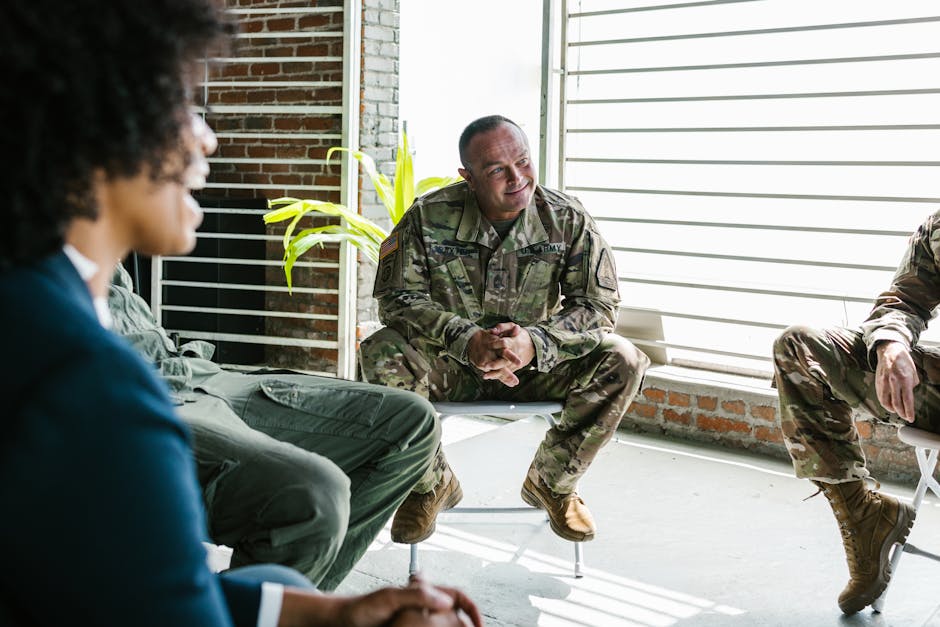
The standardized approach also means brokers often overlook Veteran Franchise Success Stories that could provide valuable insights into which concepts work well for people with your background. They are selling franchises, not building long-term relationships or tracking outcomes.
The speed-over-substance problem
Brokers operate on tight timelines. They want to present options quickly, schedule discovery calls with franchisors within days, and push toward a decision within weeks. This compressed timeline works against the thorough due diligence that smart franchise investment requires.
Successful franchise ownership requires understanding the business model, validating the market opportunity, and ensuring the concept aligns with your skills and goals. Rushing through this process to meet a broker's timeline often leads to buyer's remorse or operational challenges down the road.
Veterans are particularly susceptible to this pressure because military culture emphasizes decisive action. But franchise investment is not a tactical decision with a clear mission brief. It requires careful analysis of financial projections, market conditions, and personal fit factors that take time to evaluate properly.
The direct approach: taking control of your franchise search
Smart veterans skip the broker middleman and take control of their franchise search from day one. This approach requires more upfront work but delivers better results because you can focus on opportunities that truly fit your situation rather than what generates the highest broker commissions.
Direct franchise research starts with understanding your own priorities. What type of work environment do you want? How hands-on do you plan to be in daily operations? What investment level makes sense given your financial situation and risk tolerance? These personal factors matter more than generic "best franchise" lists.
The Complete Guide To Franchise Ownership For Veterans process involves researching franchise disclosure documents (FDDs), talking directly with existing franchisees, and evaluating opportunities based on your specific criteria rather than broker recommendations.
This self-directed approach also gives you access to the full universe of franchise opportunities, not just the subset that pays broker commissions. Some excellent franchise concepts do not work with brokers at all, preferring to recruit candidates directly through their own channels.
Leveraging veteran-specific resources
Veterans have access to resources that brokers often overlook or underutilize. The SBA Veterans Advantage program offers favorable loan terms for qualified franchise investments. VetFran participants provide discounted franchise fees and other incentives specifically for veterans.
Affordable Franchises For Veterans often include concepts that work particularly well for service members but may not be on a broker's preferred list because they offer lower commissions. Taking the direct approach lets you evaluate these opportunities on their merits rather than their payout structure.
Veteran business organizations and networking groups also provide valuable insights into which franchise concepts work well for people with military backgrounds. These peer connections offer honest feedback that brokers cannot provide because they have financial incentives to stay positive about their partner brands.
When franchise brokers actually add value
Despite their limitations, franchise business brokers do provide value in specific situations. Understanding when broker assistance makes sense helps you decide whether to work with one or go direct.
Brokers excel at initial education for people completely new to franchising. If you have never considered franchise ownership before and need basic information about how the model works, a broker consultation can provide a useful overview. Just remember that their recommendations will be colored by their commission structure.
They also help with administrative tasks like organizing discovery calls, coordinating FDD reviews, and managing communication with multiple franchisors simultaneously. For busy professionals juggling a military transition timeline, this project management support has value.
Brokers may also have relationships with specific franchise brands that could expedite the approval process. Some franchisors prioritize broker-referred candidates or offer streamlined evaluation processes for qualified prospects introduced through their preferred broker channels.
The right way to work with a franchise broker
If you decide to work with a franchise business broker, treat them as one input source rather than your primary decision-making resource. Use their recommendations as a starting point for your own research, not as the final word on what opportunities to pursue.
Ask direct questions about their compensation structure and which brands they represent. A professional broker will be transparent about how they get paid and honest about any limitations in their franchise portfolio.
Set clear expectations about timeline and process. Good brokers will respect your need for thorough due diligence rather than pushing for quick decisions. If a broker pressures you to move faster than you are comfortable with, find a different one or go direct.
Most importantly, validate everything independently. Talk to existing franchisees who were not referred by the broker. Review FDDs carefully with qualified advisors. SBA Loan Requirements For Franchises and financing options independently rather than relying solely on broker recommendations.
The financial reality: what franchise brokers cost you
Working with a franchise business broker does not cost you money directly, but it does cost you opportunities and potentially increases your total investment in indirect ways. Understanding these hidden costs helps you make an informed decision about whether broker assistance is worth it.
The most obvious cost is opportunity cost. Brokers typically represent 20-50 franchise brands, while the total franchise universe includes thousands of concepts. By limiting your search to broker-represented brands, you miss opportunities that might be better fits for your situation.
Broker commissions also create upward pressure on franchise fees. Franchisors need to cover broker payments somehow, and those costs get built into the overall franchise fee structure. While you do not write a separate check to the broker, you may pay more for the franchise itself to cover their commission.
The speed-focused broker process can also lead to suboptimal financing decisions. Brokers want deals to close quickly, so they may steer you toward higher-cost financing options that get approved faster rather than helping you secure the best possible loan terms through programs like SBA Loan Requirements For Franchises.
The true cost of misaligned recommendations
The biggest potential cost of working with a franchise business broker is ending up in the wrong franchise entirely. Broker commissions create incentives to prioritize deal closure over long-term fit, increasing the risk of buyer's remorse or operational struggles.
A mismatched franchise investment can cost you years of your life and hundreds of thousands of dollars. The franchise fee is just the beginning. If you end up in a concept that does not leverage your skills or fit your market, you face ongoing operational challenges, reduced profitability, and potentially business failure.
Veterans are particularly vulnerable to this risk because their leadership skills can mask operational problems in the short term. You might make a poorly-matched franchise work for a while through sheer determination, but at the cost of working longer hours for lower returns than a better-aligned opportunity would provide.

Building your own franchise evaluation framework
The most successful veteran franchise owners develop their own systematic approach to evaluating opportunities rather than relying on broker recommendations or generic franchise rankings. This framework helps you identify concepts that align with your specific situation and goals.
Start with operational fit. What type of business operations align with your military experience and personal preferences? Former logistics professionals often excel in Automotive Franchises For Veterans or distribution concepts. Intelligence specialists might prefer It Services Franchise For Tech Veterans opportunities that leverage analytical skills.
Financial analysis comes next. Review startup costs, ongoing fees, and realistic timeline to profitability based on FDD data and franchisee validation calls. Franchise Startup Costs vary dramatically between concepts, and understanding the full investment picture helps you make informed decisions.
Market evaluation is equally important. Research local competition, demographic trends, and growth potential in your target area. A franchise concept that works well nationally might struggle in your specific market due to local conditions or competitive factors.
The validation call process
Direct conversations with existing franchisees provide the most valuable insights into any franchise opportunity. These validation calls let you ask specific questions about operational challenges, business outlook, and franchisor support that you cannot get from marketing materials or broker presentations.
Prepare specific questions about daily operations, staffing challenges, marketing effectiveness, and relationship with the franchisor. Ask about their biggest surprises, both positive and negative, since starting their franchise. Most importantly, ask whether they would make the same investment decision again knowing what they know now.
Veteran Franchise Success Stories often highlight the importance of thorough franchisee validation in making good investment decisions. Successful veteran franchise owners consistently report that direct conversations with existing operators provided the most valuable information in their decision process.
The veteran advantage in direct franchise evaluation
Veterans bring unique advantages to the franchise evaluation process that make the direct approach particularly effective. Your military experience provides analytical skills, due diligence discipline, and operational perspective that many civilian franchise buyers lack.
Military planning processes translate directly to franchise evaluation. You know how to analyze complex situations, identify key risk factors, and develop contingency plans. These skills help you evaluate franchise opportunities more thoroughly than the typical buyer who relies primarily on broker guidance or franchisor marketing materials.
Your leadership experience also helps you assess franchisor support quality and operational requirements more accurately. You understand what good training looks like, how effective support systems operate, and what red flags indicate potential problems with franchisor relationships.
Global Franchise Opportunities For Veterans often recognize these analytical advantages and actively recruit military candidates through direct channels rather than broker networks. Taking the direct approach gives you access to these veteran-focused recruitment programs.
Leveraging military networks for franchise research
Military networks provide valuable resources for franchise research that brokers cannot match. Fellow veterans who own franchises offer honest insights into their experiences without the sales pressure that comes with broker-arranged conversations.
Veteran business organizations, both local and national, often include franchise owners who can provide informal mentorship and advice. These relationships help you understand not just which franchises work well for veterans, but how to succeed in franchise ownership regardless of the concept you choose.
Veteran Business Networking Organizations frequently host events where you can meet successful franchise owners in person and build relationships that extend beyond the initial investment decision. These ongoing connections provide value throughout your franchise ownership journey.

Making the broker-or-direct decision
The choice between working with a franchise business broker or going direct depends on your specific situation, timeline, and comfort level with independent research. Both approaches can work, but understanding the tradeoffs helps you choose the right path.
Consider the direct approach if you have time for thorough research, enjoy analytical work, and want access to the full universe of franchise opportunities. Veterans with strong research skills and clear preferences about business type often find better opportunities by going direct.
Broker assistance might make sense if you are completely new to franchising, have limited time for research due to transition timeline pressures, or prefer having someone manage the administrative aspects of the evaluation process. Just remember that broker recommendations will be influenced by their compensation structure.
Many successful veteran franchise owners use a hybrid approach: initial education and broad market overview from a broker, followed by independent research and validation of specific opportunities. This combines the convenience of broker services with the thoroughness of direct evaluation.
Timeline considerations for military transitions
Military transition timelines create unique pressures that influence the broker-versus-direct decision. If you are facing separation in six months and need to have a business plan in place, broker assistance might help you move faster through the initial evaluation phase.
However, rushing franchise investment decisions to meet transition deadlines often leads to poor outcomes. It may be better to take a temporary civilian job while conducting thorough franchise research rather than making a hasty investment decision based on limited evaluation.
Is Passive Franchise Income Really Passive explains why franchise ownership requires active involvement and careful planning that cannot be compressed into unrealistic timelines. Taking time to make the right decision pays dividends throughout your franchise ownership experience.
Frequently Asked Questions
What does a franchise broker do?
A franchise business broker acts as a matchmaker between prospective franchise buyers and franchise brands. They assess your investment capacity and preferences, then recommend franchise opportunities from their network of partner brands. Brokers handle initial introductions, coordinate discovery calls with franchisors, and guide prospects through the evaluation process. However, they are paid by franchisors, not buyers, which creates potential conflicts of interest in their recommendations.
How much do franchise brokers get paid?
Franchise brokers typically earn commissions ranging from $15,000 to $50,000 per successful franchise placement, paid entirely by the franchisor when a deal closes. The commission amount usually correlates with the franchise fee size, creating incentives for brokers to recommend higher-fee opportunities. Some brokers also receive ongoing residual payments based on franchisee royalty payments, though this is less common than the upfront commission structure.
Are franchise brokers worth it?
Franchise business brokers provide value for initial education and administrative support, but their commission-based compensation creates conflicts of interest that limit their effectiveness as neutral advisors. They work best for prospects who need basic franchising education and project management support, but veterans with strong analytical skills often find better opportunities through direct research and evaluation.
Can you open a Chick-fil-A for $10,000?
No, you cannot open a Chick-fil-A franchise for $10,000. While Chick-fil-A's franchise fee is unusually low at $10,000, the total investment required ranges from $219,000 to $2.9 million depending on location and restaurant size. Additionally, Chick-fil-A has extremely selective approval criteria and does not guarantee franchise ownership even if you meet their financial requirements. Most Affordable Franchises For Veterans offer more accessible entry points for veteran franchise ownership.
Ready to Start the Conversation?
Take the free franchise assessment. No pressure, no pitch — just an honest look at whether franchise ownership fits your goals, timeline, and budget.
Take the Assessment— Luncy
Related Articles
Small Investment, Big Impact
Low cost franchise opportunities for veterans start with understanding true investment levels and which brands offer real value at accessible entry points.
Home Services vs Food vs B2B Franchises: Which One Fits Your Life?
The best franchise for veterans varies by investment and lifestyle. This article outlines key differences between home services, food, and B2B franchises.
The LinkedIn Burnout Cure: How Franchise Marketing Systems Work While You Sleep
Franchise marketing systems streamline lead generation and customer acquisition. These frameworks provide veterans with operational structure and strategic
Veteran Franchise Ownership Guide
Military veterans discover proven franchise ownership strategies. Our comprehensive guide covers financing, brand selection, and leveraging military skills for
Why Successful Business Owners Choose Franchises: The Integration Advantage
Franchise ownership provides veterans established systems, brand recognition, and ongoing support that independent startups lack.
The Insurance Maze: How Franchises Simplify Business Protection
Franchise business insurance offers essential protection and simplifies coverage for owners. Benefit from established relationships and reduced risk.