Franchise Examples
Franchise examples include McDonald's, UPS Store, and Anytime Fitness across food, retail, and service industries with veteran-friendly ownership paths.
Franchise examples span every industry you can imagine, from fast food and fitness to home services and business consulting. The franchise model allows entrepreneurs to operate a proven business system under an established brand, with everything from McDonald's and Subway to UPS Stores and Anytime Fitness representing different approaches to franchised business ownership. Understanding these examples helps you see which franchise categories align with your skills, investment capacity, and lifestyle goals.

What Makes a Franchise Example Worth Studying
When you look at successful franchise examples, you're not just seeing brand names. You're examining business models that have been tested, refined, and proven scalable across multiple markets and operators.
Take McDonald's, the most recognized franchise globally. What makes it a valuable example isn't just the golden arches. It's the systematic approach to operations, training, supply chain management, and real estate that allows someone with no restaurant experience to run a profitable location. The franchise fee runs around $45,000, but total investment ranges from $1.3 million to $2.3 million depending on location and size.
Compare that to a home services franchise like Mosquito Joe, where the investment typically ranges from $75,000 to $150,000. The business model focuses on recurring seasonal services rather than daily food operations. Both are franchises, but they require completely different skill sets, time commitments, and capital structures.
The key is understanding which model fits your situation. Veteran Franchise Guide breaks down how to evaluate these differences systematically.
Food Service Franchise Examples
Food franchises remain the most visible category, but they vary dramatically in complexity and investment requirements.
Quick-service restaurants like Subway require lower initial investments, typically $116,000 to $263,000, but demand hands-on daily management and often struggle with labor challenges. Full-service restaurant franchises like Applebee's require significantly higher capital, often exceeding $3 million, but may offer higher revenue potential in the right markets.
Coffee franchises represent another subset entirely. Dunkin' locations require $229,000 to $1.7 million in total investment, while smaller coffee concepts like Biggby Coffee range from $181,000 to $462,000. The difference often comes down to real estate requirements, equipment needs, and operational complexity.
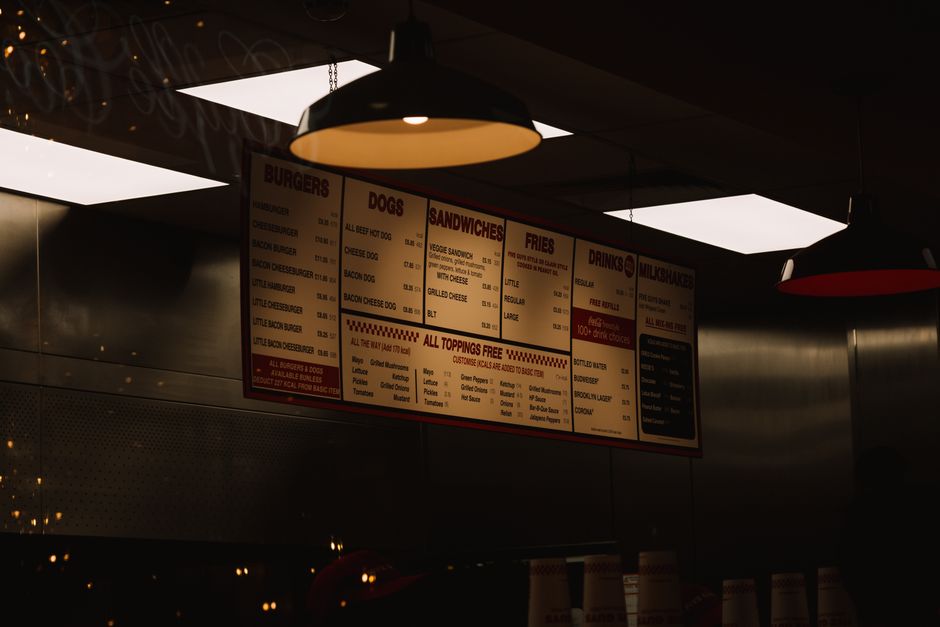
For veterans considering food service franchises, the structured environment and team leadership requirements often translate well from military experience. However, the labor-intensive nature and thin margins require careful market analysis. Affordable Franchises For Veterans explores lower-investment food options that may be more accessible.
Non-Food Franchise Examples
Franchise examples not food often provide better lifestyle balance and higher operating efficiencys, though they may take longer to establish market presence.
Fitness franchises like Anytime Fitness typically require $46,000 to $321,000 in total investment. The semi-absentee model allows owners to hire managers while maintaining oversight, appealing to those seeking business ownership without daily operational demands.
Home services represent a growing category. Mosquito Joe, Lawn Doctor, and similar brands focus on recurring revenue from residential customers. Initial investments often range from $50,000 to $200,000, with lower overhead than brick-and-mortar operations.
Business services franchises target commercial clients. PostNet locations provide printing, shipping, and business services with investments typically between $175,000 and $350,000. These franchises often benefit from B2B relationships that create more predictable revenue streams.
Automotive Franchise Examples
The automotive sector offers diverse franchise opportunities beyond traditional dealerships. Jiffy Lube represents the quick-service maintenance model, with investments ranging from $196,000 to $367,000. These franchises capitalize on the need for regular vehicle maintenance without requiring extensive automotive expertise.
Auto repair franchises like Midas or Valvoline Instant Oil Change focus on specific services. Total investments typically range from $150,000 to $500,000 depending on the concept and location requirements.
For veterans with mechanical backgrounds, Automotive Franchises For Veterans provides detailed analysis of how military technical training translates to automotive franchise success.
Service-Based Franchise Examples
Service franchises often require lower initial capital and can be operated from home offices initially. Cleaning services like Jan-Pro or Coverall typically require $3,000 to $50,000 to start, making them accessible entry points into franchise ownership.
Senior care franchises like Home Instead or Visiting Angels address the growing demand for aging-in-place services. Initial investments range from $75,000 to $150,000, with the potential for significant growth as demographics shift.
Senior Care Franchises For Veterans examines how military service members' experience with caring for team members translates to this growing industry.
Business consulting franchises like ActionCOACH or FocalPoint require minimal startup capital, often under $100,000, but demand strong business acumen and sales skills. These franchises leverage the owner's expertise rather than requiring significant operational infrastructure.
Technology and Education Franchise Examples
Educational franchises serve both children and adults. Kumon focuses on supplemental education with investments typically between $70,000 and $150,000. These franchises often operate from retail spaces or can be run from dedicated centers.
Technology services franchises like TeamLogic IT or Experimac address the growing need for business IT support and consumer device repair. Investments generally range from $75,000 to $200,000, with strong growth potential as technology dependence increases.
It Services Franchise For Tech Veterans explores how military IT experience transfers to civilian technology franchise opportunities.
Retail Franchise Examples
Retail franchises span from convenience stores to specialized products. 7-Eleven represents the convenience retail model with investments typically ranging from $37,000 to $1.6 million depending on whether you're converting an existing location or building new.
Specialty retail like The UPS Store combines retail with services, requiring investments between $178,000 and $403,000. These locations benefit from multiple revenue streams including shipping, printing, and mailbox services.

Most Profitable Franchises to Own: What the Numbers Really Mean
When evaluating most profitable franchises to own, focus on the business model rather than just financial detailss. Profitability depends on factors including initial investment, ongoing fees, labor requirements, and market saturation.
Low-investment, high-margin services often provide better returns on investment than high-revenue, high-overhead operations. A cleaning service franchise generating $200,000 annually with 30% margins may be more profitable than a restaurant generating $800,000 with 8% margins.
The franchise disclosure document provides historical performance data for existing locations, but remember that individual results vary significantly based on location, management, and market conditions. SBA Loan Requirements For Franchises explains how to evaluate financial projections during the due diligence process.
Evaluating Franchise Examples for Your Situation
Every franchise example teaches different lessons about business model viability. When reviewing options, consider these factors systematically:
Investment requirements include not just the franchise fee but total startup costs, working capital needs, and ongoing royalty structures. A franchise requiring $100,000 upfront but 8% ongoing royalties may cost more over time than one requiring $200,000 upfront with 4% royalties.
Time commitment varies dramatically between franchise types. Some require full-time owner operation, while others can be managed semi-absentee or through hired management.
Market demand affects long-term viability. Franchises serving demographic trends like aging populations or technology dependence may offer better growth prospects than those in declining markets.
Franchise Business Opportunities provides a framework for systematically evaluating different franchise categories against your specific situation.
Veterans and Franchise Examples: Translating Military Experience
Military experience translates differently to various franchise types. Leadership and team management skills apply broadly, but technical expertise may align better with specific industries.
Veterans often excel in franchises requiring systematic operations, quality control, and team development. The structured nature of franchise systems mirrors military operational procedures, making the transition more intuitive.
Many franchisors offer veteran incentives including reduced franchise fees or financing assistance. These programs recognize the value veterans bring to franchise operations through their leadership experience and operational discipline.
Veteran Franchise Success Stories showcases how different veterans have succeeded across various franchise categories, providing real-world examples of military-to-franchise transitions.

Financing Franchise Examples: Understanding Your Options
Different franchise examples require different financing approaches. Lower-investment franchises may qualify for SBA microloans or conventional business loans, while larger investments often require SBA 7(a) loans or franchisor financing programs.
The SBA Veterans Advantage program reduces guarantee fees for veteran borrowers, making financing more accessible across franchise categories. This benefit applies regardless of franchise type, from $50,000 service businesses to $2 million restaurant investments.
Some franchisors offer direct financing or partnerships with preferred lenders. These programs may provide better terms than conventional financing, but compare carefully to ensure you're getting competitive rates and terms.
Franchise Startup Costs breaks down the complete financial picture for different franchise types, helping you understand total capital requirements beyond the initial franchise fee.
Due Diligence Across Franchise Examples
Every franchise requires thorough due diligence, but the process varies by industry and complexity. Food service franchises require analysis of food costs, labor markets, and health regulations. Service franchises focus more on market demand, competition, and scalability.
Review the franchise disclosure document carefully, paying particular attention to the relevant FDD section business outlook representations if provided. Speak with current and former franchisees to understand real operational challenges and opportunities.
Validate market demand in your target area. A successful franchise concept in one market may struggle in another due to demographics, competition, or local preferences.
Myth Busting What Franchise Consulting Really Involves explains how professional franchise consulting can help navigate the due diligence process more effectively.
Making Your Decision: From Examples to Action
Studying franchise examples helps you understand the landscape, but your decision should align with your skills, capital, and lifestyle goals. The best franchise for you may not be the most profitable or recognizable brand.
Consider your post-military career goals. Are you seeking active business ownership, semi-passive investment, or a bridge to eventual independent business ownership? Different franchise models serve different objectives.
Factor in your local market conditions. A franchise that works well in suburban markets may struggle in urban areas, and vice versa. Market research specific to your target location is essential regardless of the franchise's overall success.
Take the free assessment to identify which franchise categories align with your background, investment capacity, and business goals.
Frequently Asked Questions
What is a franchise example?
A franchise example is a specific business that operates under the franchise model, where an individual (franchisee) pays fees to operate a business using an established company's brand, systems, and support. Examples include McDonald's restaurants, Anytime Fitness gyms, and UPS Stores, each representing different industries and business models within the franchise structure.
What are the top 10 franchises to own?
The top franchises vary by investment level and industry, but consistently strong performers include McDonald's, Subway, 7-Eleven, Anytime Fitness, The UPS Store, RE/MAX, Kumon, Jiffy Lube, Dunkin', and Jan-Pro. However, the "best" franchise depends on your capital, skills, and market conditions rather than just brand recognition or financial detailss.
What are the top 5 most popular franchises?
The most popular franchises by number of locations typically include Subway, McDonald's, 7-Eleven, KFC, and Burger King. Popularity by unit count doesn't always correlate with profitability or owner satisfaction, so evaluate franchises based on your specific situation rather than just market presence.
What are the top 3 franchises?
The top three franchises by global recognition and system size are generally McDonald's, Subway, and 7-Eleven. However, "top" depends on your criteria. For veterans, the most suitable franchises might be different based on factors like investment requirements, operational complexity, and alignment with military experience.
How do I choose between different franchise examples?
Choose based on your investment capacity, skills, time availability, and market conditions. Evaluate the total investment required, ongoing fees, training and support provided, territory rights, and growth potential in your area. Speak with current franchisees and review the franchise disclosure document thoroughly before making any commitments.
Ready to Start the Conversation?
Take the free franchise assessment. No pressure, no pitch — just an honest look at whether franchise ownership fits your goals, timeline, and budget.
Take the Assessment— Luncy