Franchise Territory Analysis How To Guide
Effective franchise ownership requires thorough territory analysis. Understand demographics and competition to ensure your franchise location is viable.
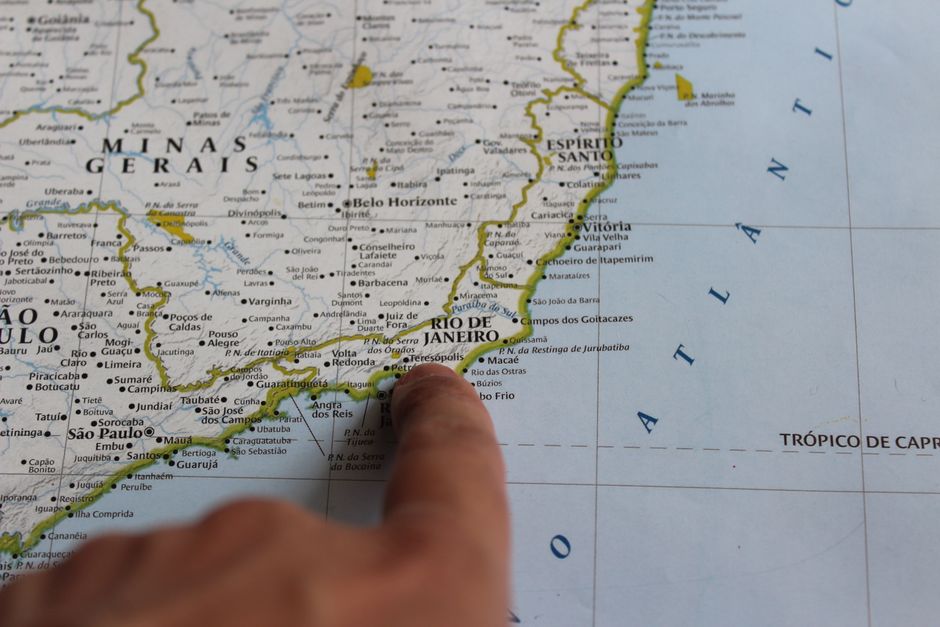
Franchise ownership means buying the right to run a business under an established brand. You trade some independence for less startup risk and corporate support. Veterans looking at this path need to analyze a territory to see if a franchise location can make money in their market. This means understanding demographics, competition, and franchisor support before signing anything.
You've spent years analyzing operations and intelligence. Now you're looking at franchise documents and maps, wondering if this business will work in your area. The stakes feel different when it's your retirement savings, not a mission, on the line.
Territory analysis separates successful franchise owners from those who struggle. The franchisor's marketing shows happy owners and brand recognition, but it won't tell you about oversaturated markets or bad demographics that kill profits.
Franchise Territory Basics
Territory analysis starts with understanding what you're buying. With a franchise, you get more than a name and logo. You buy exclusive rights to operate in defined areas, access to systems, and ongoing support.
The territory protects your investment by keeping other franchisees from opening too close. These boundaries vary. Some grant exclusive rights within a 3-mile radius, others use ZIP codes, and some offer no protection.
Your analysis must account for population density, income levels, and consumer behavior within your boundaries. A high-end fitness franchise needs different demographics than a budget restaurant.
Market Saturation
Market saturation analysis shows if your territory can support another business in your category. Identify all direct competitors within 5 miles of your proposed location. Include both franchise and independent operators.
Calculate the customer-to-business ratio. If you're looking at a pizza franchise in an area with 15,000 households and 8 pizza places, that's about 1,875 households per business. Compare this to successful markets in the franchisor's documents.
Demographic Analysis for Veterans
Military experience helps with systematic analysis, but civilian market research uses different tools. Your demographic analysis should cover population, economic indicators, and lifestyle.
Population characteristics include age, household makeup, and education levels. A children's franchise needs areas with many families and school-age kids. Senior care targets older populations.
Economic indicators show spending power and stability. Look for median household income, employment rates, and economic diversity. Military communities often have stable income but higher turnover due to PCS moves.
Veteran Market Considerations
Veterans face unique territory challenges. Military families move often, creating both opportunities and risks depending on the franchise.
Consider how military installations affect your territory. Base closures or mission changes can impact local economies within 12-24 months. However, military communities also offer built-in networking and customer loyalty.
Veteran franchise success stories often highlight operators who used military connections and understood service member needs. Your analysis should identify if your target area has enough veteran and military family density to support this.
The VetFran program offers reduced franchise fees for veterans. But these discounts only matter if the territory can support profitable operations. Focus your analysis on market fundamentals, not just initial cost savings.
Competition Analysis
Good competition analysis goes beyond counting businesses. You need to understand market positioning, pricing, and weaknesses your franchise can exploit.
Categorize competitors as direct, indirect, and substitute. Direct competitors offer the same products. Indirect competitors meet the same need differently. Substitute competitors offer alternative solutions.
Visit competitors at different times to observe traffic, service, and efficiency. Document pricing, promotions, and customer feedback from online reviews.
Identifying Market Gaps
Market gap analysis finds opportunities where demand is higher than supply. These gaps often appear in underserved groups, poor service levels, or areas with few quality options.
Franchise opportunities often emerge where independent operators struggle with consistency or marketing. Your analysis should identify if competitors show weaknesses a franchise system could fix.
Look for customer complaints about existing businesses. Consistent issues with service, hours, or experience point to gaps a well-run franchise could fill.
Financial Territory Evaluation
Financial analysis determines if your market can generate enough revenue to cover costs, debt, and your pay. This needs realistic projections based on local conditions, not franchisor averages.
Calculate your break-even point using local operating costs. Labor, rent, utilities, and taxes vary. A franchise that breaks even with $40,000 monthly revenue in Ohio might need $60,000 in California.
Review the franchisor's business outlook representations if available. But understand these are system averages. Your analysis must confirm local conditions support similar performance.
Investment vs. Market Reality
Affordable franchises often market low initial investment. But territory analysis shows the total capital needed for sustainable operations in your market.
Initial franchise fees are typically $25,000 to $75,000. But total startup costs, including equipment, inventory, working capital, and build-out, often reach $150,000 to $500,000 or more. Your analysis must determine if local market conditions justify this.
Consider ongoing costs: royalties (4-8% of sales), marketing fund contributions (2-4% of sales), and required upgrades. These continue regardless of profit. Accurate revenue projections are critical.
SBA loans can help finance your investment. But lenders require realistic financial projections based on local market analysis, not marketing materials.
Franchisor Support and Territory Development
Franchisor support varies and impacts your territory's success. Evaluate training, ongoing operational support, marketing help, and territory development resources before investing.
Good franchisors provide training in operations, marketing, finance, and local market development. Training should include classroom and hands-on experience.
Ongoing support should include coaching, marketing campaign development, audits, and access to updated systems. Weak support means you operate like an independent business while paying royalties.
Territory Protection and Growth
Territory protection determines your long-term growth and investment security. Strong agreements include population-based expansion rights, first refusal on adjacent territories, and protection from company-owned locations.
Review territory modification clauses. Some franchisors can change boundaries based on market development. Others offer permanent protection.
Franchise marketing systems should support your local efforts, not replace them. Effective franchisors provide frameworks and brand standards, allowing local customization.
Due Diligence and Validation
Territory validation means talking to existing franchisees in similar markets, not just the franchisor's references. Contact operators in comparable environments to understand real-world performance.
Ask about customer acquisition costs, seasonal revenue, staffing, and unexpected expenses. Experienced franchisees often share insights on market development and pitfalls.
Review the franchisor's litigation history and termination rates in the Franchise Disclosure Document. High termination rates or frequent legal disputes show systemic problems that could affect your territory.
Professional Advisory Support
Franchise consulting connects you with qualified professionals who understand franchise agreements and territory analysis. Attorneys, accountants, and consultants offer objective evaluations.
Advisors help identify red flags, validate projections, and structure financing. Their fees are insurance against costly mistakes.
Don't rely only on franchisor projections or analysis. Independent evaluation provides an objective assessment of opportunities and risks.
Technology and Market Research Tools
Modern territory analysis uses demographic and market research tools. GIS mapping, census data, and consumer behavior studies reveal patterns.
Commercial real estate platforms provide lease rates, foot traffic, and demographics for potential locations. This helps validate site selection and find alternatives.
Social media analytics and online reviews show consumer sentiment about competitors and unmet needs. These tools provide real-time market intelligence.
Leveraging Military Network Intelligence
Your military network offers unique market intelligence. Service members often share insights on local business conditions, preferences, and challenges.
Veteran business networking organizations connect you with experienced franchise owners who understand military transition and local markets. These relationships offer ongoing support.
Military spouse networks are valuable for portable franchises that adapt to frequent moves or serve military families.
Common Territory Analysis Mistakes
New franchise owners often underestimate the time for territory development and customer acquisition. Franchisor marketing often shows rapid growth, assuming immediate market penetration.
Realistic development takes 12-18 months for consistent customer patterns and 24-36 months for mature performance. Your financial plan must account for longer timelines, especially in competitive markets.
Another mistake is overestimating territory exclusivity. Many agreements allow franchisors to open company-owned locations, sell through other channels, or modify boundaries.
Avoiding Analysis Paralysis
Thorough analysis is essential, but too much research can delay decisions. Good franchise opportunities in prime territories often have multiple candidates.
Set specific timelines and criteria before starting. This prevents endless research and helps you decide when you have enough information.
Frequently Asked Questions
What is franchise ownership?
Franchise ownership means buying the right to operate a business using an established brand's systems and support. You pay an initial fee and ongoing royalties for territorial rights, training, marketing, and proprietary methods. Unlike starting an independent business, franchising offers a tested model but requires following standards and paying fees.
Does it cost $10,000 to own a Chick-fil-A franchise?
Chick-fil-A's franchise fee is $10,000, but this is a small part of the total investment. The company has strict selection criteria and requires full-time, hands-on management. Total startup costs, including equipment, inventory, and working capital, often exceed $300,000. Chick-fil-A finances most of these expenses. Their model involves company ownership of real estate and equipment, with franchisees paying a percentage of sales instead of traditional royalties.
Is it a good idea to be a franchise owner?
Franchise ownership can be a good path for veterans seeking business ownership with less startup risk. Success depends on choosing the right opportunity and territory. Franchises often have higher success rates than independent businesses due to proven systems. However, it requires following corporate standards, paying fees, and accepting limited creative control. The decision depends on your risk tolerance, capital, management experience, and goals.
How much money can a franchise owner make?
Franchise owner income varies based on the business model, territory, efficiency, and market. Most franchisors cannot legally provide specific income projections, but they may share historical performance data. Successful owners often operate multiple locations. Your territory analysis should focus on market capacity, costs, and break-even projections, not just income expectations. Professional financial analysis helps determine if an opportunity meets your income needs.
Ready to Start the Conversation?
Take the free franchise assessment. No pressure, no pitch — just an honest look at whether franchise ownership fits your goals, timeline, and budget.
Take the Assessment— Luncy
Related Articles
What is Franchise Validation Calling
Learn what franchise validation calling is and how this crucial due diligence step helps veterans make informed franchise investment decisions.
How to Read a Franchise Disclosure Document
Master the FDD with our step-by-step guide. Learn what veterans need to know about franchise disclosure documents before investing in your business future.
Questions to Ask Existing Franchisees
Get insider insights with these critical questions to ask existing franchisees. Discover what current owners really think about operations, support, and growth.
Comparing Two Franchise Opportunities Side by Side
Learn how to effectively compare franchise opportunities with our step-by-step guide. Make informed decisions for your veteran business ownership journey.
Franchise Due Diligence Checklist
Essential franchise due diligence checklist for military veterans. Avoid costly mistakes with our comprehensive guide to evaluating franchise opportunities.
What Happens After You Sign a Franchise Agreement
Discover the critical steps that follow signing your franchise agreement. From training to grand opening, learn what to expect in your franchise journey.