From Mission to Ownership: How Franchising Fills the Purpose Gap Veterans Face
Franchising for veterans provides a structured path to business ownership, helping to fill the purpose gap many face after military service. Free veteran
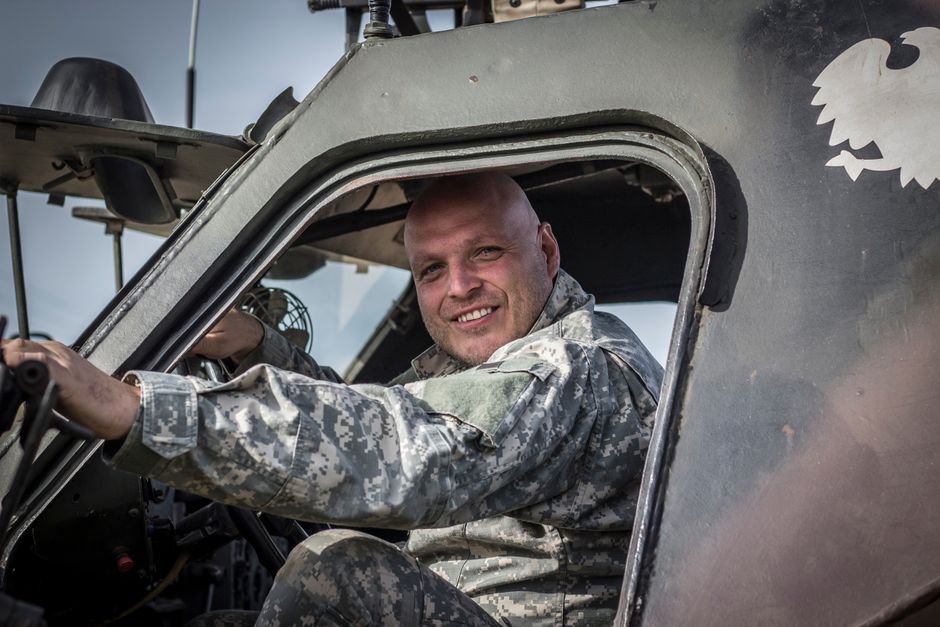
Franchising offers a direct path to business ownership for veterans. It bridges the gap between military service and civilian entrepreneurship, providing the structure and support many transitioning service members need to regain purpose. Unlike starting a business from scratch, franchises offer proven models, established brands, and training that turns military leadership into business success.
You spent years serving something bigger than yourself. Now, most corporate jobs feel empty compared to the mission you left. The shift from military to civilian work often creates a "purpose gap." The military's clear objectives and meaningful work give way to cubicle politics and quarterly reports that feel disconnected from any larger mission.
Why Traditional Employment Fails Many Veterans
Corporate America often lacks the autonomy, leadership, and mission-driven work many veterans seek after service. Hierarchies exist, but decision-making often drowns in bureaucracy, unlike a military command structure.
You might find yourself in endless meetings, watching projects stall because no one wants to decide. The urgency of military operations gets replaced by email chains and committee reviews. For veterans used to clear commands and decisive action, this environment can be suffocating.
Corporate compensation also frustrates. Your success depends on factors outside your control: company performance, budget decisions three levels above your pay grade. Veterans who owned outcomes in the military often struggle with limited control over their professional destiny in traditional employment.
Many veterans feel like they're "playing someone else's game" instead of building something meaningful. Your military skills translate well to business ownership, but often go unused in corporate settings with different priorities.
How Franchise Ownership Restores Mission and Purpose
Franchise ownership lets you use your military experience to build something that serves your community. It provides the structure and support systems you know from service. Unlike independent business ownership, franchising offers operational playbooks, training, and ongoing support that mirror the military's systematic approach.
The franchise model gives you command over your local operation while connecting you to a larger network with common goals. You make daily decisions that directly impact your success, from hiring and training your team to local marketing and customer relationships.
Leadership Skills Transfer Directly
Your experience leading teams, managing resources, and executing complex operations under pressure transfers directly to franchise ownership. The leadership skills you developed managing personnel, budgets, and critical operations become the foundation for building and managing your franchise.
Veterans consistently rank among the most successful franchise owners because they understand systems, processes, and the importance of following proven procedures while adapting to local conditions. The discipline and work ethic from military service provide the foundation for consistent execution that franchise success demands.
Franchise ownership also lets you recreate the team-based environment of military service. You hire, train, and lead a team toward common objectives, creating the collaborative atmosphere many veterans miss.
The Financial Reality: Investment and Funding
Most franchise opportunities require total investments from $50,000 to $500,000, depending on the industry and brand. The initial franchise fee is typically 10-20% of the total, with the rest covering equipment, inventory, working capital, and build-out costs for physical locations.
Many veteran-friendly franchises offer significant discounts on initial fees, often 20-50%. These incentives can save $10,000 to $50,000 upfront, making ownership more accessible for veterans with limited liquid capital.
Veterans have access to specialized financing. SBA Veterans Advantage loans offer favorable terms and higher loan-to-value ratios, often covering up to 90% of the total investment. Some veterans also use 401(k) rollovers or IRA funds to fund their franchise without early withdrawal penalties.
The key financial consideration is not just the upfront investment, but the timeline to profitability and positive cash flow. Most franchises break even within 12-24 months, with full return on investment typically within 3-5 years for well-run operations.
Top Franchise Industries for Veterans: Beyond the Obvious
While many assume veterans go for gyms or restaurants, data shows otherwise. Veteran franchise coaching programs report that 77% of veterans choose industries with recurring revenue, recession resistance, and strong growth potential, not traditional service industry franchises.
Home Services Dominate Veteran Choices
Home services franchises make up 34% of veteran selections, including cleaning, maintenance, restoration, and improvement services. These businesses capitalize on consumers outsourcing household tasks for convenience and professional results.
Veterans are drawn to the combination of technical skills, team leadership, and building long-term customer relationships. Many home services franchises also offer territory-based models for geographic expansion.
Business Services Provide B2B Opportunities
Business services franchises represent 26% of veteran selections, focusing on outsourced services other businesses need but prefer not to handle internally. This includes commercial cleaning, maintenance, printing, shipping, and consulting.
The B2B model appeals to veterans because it often involves larger contracts, longer relationships, and working with other business owners who value the reliability and professionalism veterans bring.
Senior Care Addresses Growing Market Demand
Senior care franchises capture 17% of veteran owners, providing non-medical companion care and assistance to the aging Baby Boomer population. This industry combines the service-oriented mission many veterans value with strong demographic trends driving consistent demand.
The senior care industry allows veterans to serve their community while building a business model based on recurring revenue and strong referral networks from healthcare providers and family members.
Veteran-Specific Advantages in Franchise Ownership
Military service provides several advantages that translate directly to franchise success, from the discipline for consistent execution to the leadership experience for building and managing teams.
Military Training Matches Franchise Requirements
The systematic approach of military training aligns with franchise operational requirements. Veterans understand following established procedures while adapting to local conditions and unexpected situations.
Your experience with standard operating procedures, quality control, and performance metrics provides the foundation for implementing franchise systems effectively. The attention to detail and commitment to excellence from military service becomes a competitive advantage.
Access to Veteran-Specific Benefits
Veterans qualify for specialized financing, including SBA Veterans Advantage loans with favorable terms and higher loan-to-value ratios than traditional business loans. Many franchise brands also participate in VetFran programs, offering additional fee discounts and support during startup.
The veteran business community offers networking and mentorship to accelerate franchise success. Organizations like SCORE and Veterans Business Outreach Centers provide ongoing support and business development resources.
Timeline Considerations for Military Transition
The military separation process offers a structured timeline for exploring franchise opportunities and completing due diligence. Most veterans begin research 12-18 months before separation, allowing time for Discovery Days, validation calls with owners, and securing financing.
The transition timeline also aligns with franchise development schedules. Most franchises require 3-6 months from signing to opening, fitting within typical military separation and relocation. This timing allows you to maintain military income while preparing for business ownership.
Due Diligence: Validating Your Franchise Choice
Franchise selection requires the same systematic approach you used for military planning. The key difference is that franchise validation focuses on business outlook, market conditions, and franchisor support, not mission objectives and resource allocation.
Reviewing the Franchise Disclosure Document
Every franchise must provide a Franchise Disclosure Document (FDD) with detailed information about the business model, financial requirements, and franchisor obligations. The FDD includes 23 items covering everything from litigation history to territory rights and renewal terms.
Pay attention to Item 7 (estimated initial investment), Item 5 (fees), and Item 6 (other costs) for the complete financial picture. The FDD also provides contact information for current and former franchisees, allowing you to conduct validation calls with those who have firsthand experience.
Conducting Validation Calls with Current Owners
Validation calls with existing franchise owners offer insights marketing material cannot. Focus questions on operational challenges, franchisor support quality, actual time investment, and whether they'd make the same decision again.
Ask specific questions about the learning curve, seasonal business variations, and how the franchisor handles problems. Owners can also provide realistic timelines for profitability and insights into local market conditions.
Take the free SyncFran assessment to identify franchise opportunities aligning with your experience, investment capacity, and business goals.
Building Your Franchise Business Plan
Your military experience with mission planning translates directly to franchise business planning. The key difference is financial projections and market analysis instead of tactical objectives and resource allocation.
Market Analysis and Competitive Positioning
Understanding your local market and competitive landscape determines your franchise's potential. This includes demographic data, competitor locations and pricing, and identifying underserved segments your franchise can capture.
Your military experience with intelligence gathering and situational analysis provides the foundation for thorough market research. The same attention to detail from mission planning applies to understanding customer needs, seasonal variations, and growth opportunities.
Financial Projections and Cash Flow Planning
Franchise business planning requires realistic financial projections based on franchisor data, local market conditions, and your operational assumptions. Most franchisors provide pro forma financial statements showing typical performance ranges, but your specific results depend on execution, market conditions, and local competition.
Working capital requirements vary by industry, but most franchises need 3-6 months of operating expenses available to cover the initial ramp-up before consistent profitability.
Common Franchise Investment Ranges by Industry
| Industry | Investment Range | Franchise Fee | Typical ROI Timeline |
|---|---|---|---|
| Home Services | $75K - $200K | $35K - $65K | 18-30 months |
| Business Services | $100K - $300K | $45K - $75K | 12-24 months |
| Senior Care | $50K - $150K | $25K - $50K | 15-24 months |
| Automotive Services | $150K - $400K | $40K - $60K | 24-36 months |
| Food Service | $200K - $800K | $25K - $50K | 18-30 months |
| Retail/Specialty | $100K - $500K | $30K - $70K | 24-42 months |
Ongoing Support and Marketing Systems
Franchise ownership provides access to marketing systems, operational support, and business development resources that would cost significantly more to develop independently. This ongoing support mirrors the institutional support you received in the military, while allowing you to maintain operational control of your local business.
Training and Operational Support
Most franchise systems provide comprehensive initial training covering all aspects of operations, from technical skills to customer service and financial management. This training typically includes classroom instruction and hands-on experience at existing locations.
Ongoing support includes regular business reviews, operational audits, and access to updated training materials as the business model evolves. Many franchisors also provide peer networking through regional meetings and annual conventions where you can learn from other successful owners.
Marketing and Brand Development
Franchise marketing systems provide brand consistency, advertising materials, and digital marketing support that individual business owners cannot match. This includes national advertising campaigns, local marketing templates, and social media content that maintains brand standards while allowing for local customization.
Marketing support extends to grand opening campaigns, seasonal promotions, and customer retention programs that drive consistent business growth. These systems continuously generate leads and build brand awareness in your market.
Schedule a free consultation to discuss how franchise marketing systems can reduce your time investment while building sustainable business growth.
Frequently Asked Questions
What are the best franchises for veterans?
The best franchises for veterans are typically in home services, business services, and senior care industries, accounting for 77% of veteran franchise selections. These industries offer recurring revenue, recession resistance, and strong growth potential. Veteran-friendly brands include Two Men and a Truck, FASTSIGNS, Home Instead, and Budget Blinds, all offering veteran discounts and support.
Does it cost $10,000 to open a Chick-fil-A?
Chick-fil-A requires a $10,000 initial investment, but this is only the franchise fee in their unique operator program. Chick-fil-A owns the location and equipment; operators receive a percentage of profits rather than owning the business outright. This model differs significantly from traditional franchise ownership and has limited availability with extensive qualification requirements.
Does the VA help with franchises?
The VA does not directly fund franchise investments, but veterans have access to specialized SBA loan programs, including Veterans Advantage loans with favorable terms. The VA provides business counseling through Veterans Business Outreach Centers (VBOCs), and many veteran service organizations offer franchise-specific education and mentorship to support veteran business ownership.
What franchise can I open for $10,000?
Very few legitimate franchises have total investments of $10,000. Most low-cost franchises require $50,000-$100,000, including working capital. Some service-based franchises like cleaning or business consulting may have lower startup costs, but $10,000 typically covers only the franchise fee, not the complete investment needed for successful operations.
How long does it take to see returns from a franchise investment?
Most franchises break even within 12-24 months and provide full return on investment within 3-5 years. The timeline depends on industry, local market conditions, and execution. Home services and business services franchises often achieve profitability faster than retail or food service concepts due to lower overhead and recurring revenue models.
Ready to Start the Conversation?
Take the free franchise assessment. No pressure, no pitch — just an honest look at whether franchise ownership fits your goals, timeline, and budget.
Take the Assessment— Luncy
Related Articles
Starting a Franchise Before Military Retirement
Active duty military can legally start franchises 18-24 months before retirement with DoD approval. Get the compliance steps and transition timeline.
Military Transition Franchise Success Stories
Real veterans reveal how they turned military skills into thriving franchise businesses. Discover proven transition strategies and inspiring ownership journeys.
14 Veterans Start Their Next Chapter After Entrepreneurship Program
With free veteran consultation, our veterans entrepreneurship program empowers service members to transition into successful business owners. Start your journey
TAP Program and Franchise Ownership
Transform your military training into franchise success. Learn how TAP program participants leverage veteran skills for business ownership opportunities.
Biggest Fears About Leaving Military for Business
From income uncertainty to skill translation, discover how veteran franchise ownership addresses the biggest fears about leaving military for business.
Post-Military Identity and Franchise Ownership
Struggling with civilian transition? Post-military identity and franchise ownership offer veterans structure, purpose, and business success. Start your journey.