SBA Loans for Veterans: Why Your Military Background Is Your Biggest Asset
SBA loans for veterans provide unique advantages like waived fees and faster approvals. Your military experience is a strong predictor of business success.
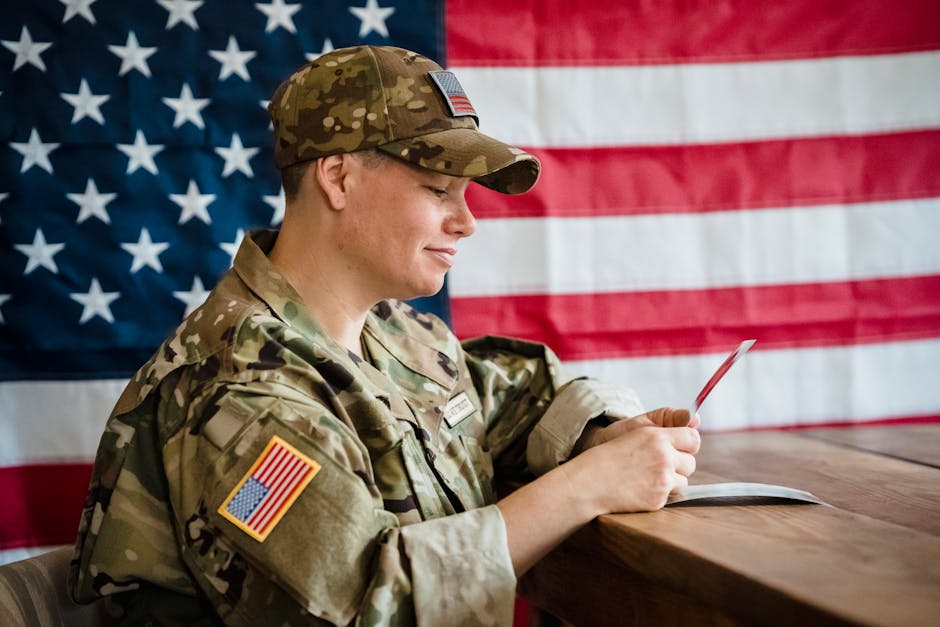
SBA loans offer veterans advantages over traditional business financing. These include waived guarantee fees, faster approvals, and specialized programs. Veterans qualify through programs like SBA Express and Veterans Advantage, which recognize military experience as business preparation.
Your military service record is more than a checkbox for SBA lending. It shows leadership, discipline, and crisis management skills. Lenders see these as strong predictors of business success. The federal government built loan programs to leverage these strengths.
The SBA Veterans Advantage Program: Your Financial Head Start
The SBA Veterans Advantage program waives the upfront guarantee fee on SBA Express and 7(a) loans for qualifying veterans. This fee typically runs 2% to 3.75% of the loan amount. That means immediate savings of $2,000 to $18,750 on a $100,000 loan.
To qualify, your business must be at least 51% owned and controlled by a veteran, service-disabled veteran, or active-duty service member eligible for the Transition Assistance Program. The SBA defines "veteran" as anyone who served in the active military and was discharged honorably.
Your DD214 is primary documentation. Active-duty personnel transitioning within 24 months can use their military ID and transition paperwork. Spouses of service members killed in action or 100% disabled also qualify.
The fee waiver applies to loans up to $500,000 for SBA Express and up to $5 million for standard SBA 7(a) loans. Beyond fee savings, veteran-owned businesses get expedited processing from many SBA-preferred lenders.
SBA Express Loans for Veterans: Speed Meets Opportunity
SBA Express loans for veterans combine the guarantee fee waiver with faster approval. These loans provide up to $500,000. Decisions typically come within 36 hours of a complete application.
The SBA guarantees 50% of Express loans. This reduces lender risk and often means better terms for borrowers. Interest rates are usually prime plus 2.25% to 4.75%, depending on loan amount and term.
Express loans work well for franchise purchases. The SBA maintains a registry of pre-approved franchise concepts. If your chosen franchise is on this list, your loan processes faster because the business model is already vetted.
Veterans often use Express loans for working capital, equipment, or franchise fees. The quick turnaround helps when you need financing within specific franchise development timelines.
Understanding SBA 7(a) Loans: The Foundation Program
The SBA 7(a) loan program is the agency's main small business lending initiative. For veterans, these loans offer the guarantee fee waiver plus access to larger amounts, up to $5 million.
The SBA guarantees 75% to 85% of these loans, depending on the amount. This guarantee lets lenders approve loans they might otherwise decline due to limited business history or collateral.
Veterans can use SBA 7(a) loans for almost any legitimate business purpose. This includes franchise purchases, real estate, equipment, working capital, and debt refinancing. Restrictions involve speculative investments, lending to other businesses, or buying owner-occupied real estate beyond business needs.
Terms extend up to 25 years for real estate and 10 years for equipment or working capital. Interest rates are typically prime plus 2.25% to 4.75% for loans over $50,000, with slightly higher rates for smaller amounts.
Your military background strengthens your loan application. Lenders recognize the leadership training, project management, and accountability developed during service. Many lenders have veteran lending specialists who understand how to translate military experience into business qualifications.
SBA Grants for Veterans: Separating Fact from Fiction
Veterans often ask about the "$10,000 SBA grant" seen online. This usually refers to the Economic Injury Disaster Loan (EIDL) Advance program. It offered grants during COVID-19 but is no longer available to new applicants.
The SBA does not offer general business grants to veterans or anyone else. The agency focuses on loan guarantees that make traditional financing more accessible. This approach ensures business owners keep ownership and control while getting capital at reasonable rates.
Some grant opportunities exist through other federal agencies, state programs, or private foundations. These are typically small amounts for specific purposes like research or community development.
Confusion around grants often comes from the fact that the SBA provides extensive free counseling, training, and mentorship through programs like SCORE and Veterans Business Outreach Centers. These services are valuable but do not provide direct cash.
Credit Score Requirements: What Veterans Actually Need
SBA loans for veterans with lower credit scores are possible. "Bad credit" varies between lenders and programs. The SBA does not set minimum credit scores; lenders decide.
Most SBA-preferred lenders look for scores of 650 or higher for Express loans and 680 or higher for standard 7(a) loans. However, veterans with lower scores can still qualify with strong cash flow, significant down payments, or valuable collateral.
Your military service record can help offset credit concerns, especially if issues stem from deployment-related financial disruptions or frequent relocations. Many lenders understand these military-specific circumstances and factor them into their decisions.
Veterans with scores below 650 should work with SBA resource partners to improve their credit before applying. SCORE mentors and Veterans Business Outreach Centers offer free credit counseling and business planning.
Alternative approaches for veterans with credit challenges include bringing on a co-signer, increasing the down payment, or focusing on asset-based lending where collateral provides security.
SBA Loans for Disabled Veterans: Additional Advantages
SBA loans for disabled veterans include all standard veteran benefits plus additional considerations for service-connected disabilities. The SBA recognizes disabled veterans may face unique challenges and provides extra support through specialized counseling and flexible underwriting.
Service-disabled veterans get priority for SBA programs and often receive expedited processing. Veterans Business Outreach Centers have specialists trained in disability accommodation and adaptive business strategies.
Disabled veterans may also qualify for additional state and local programs. These vary by location but often include property tax abatements, utility discounts, or reduced licensing fees.
Key documentation for disabled veterans includes the DD214 plus a letter from the Department of Veterans Affairs confirming the service-connected disability rating. This documentation opens access to additional resources.
How Military Experience Translates to Loan Approval
Lenders see military experience as valuable preparation for business ownership due to transferable skills. Your ability to follow systems, manage resources, lead teams, and operate under pressure directly correlates with business management.
The military's emphasis on planning, execution, and accountability aligns with what lenders want in business owners. Your experience with budgets, logistics, and personnel management shows operational competency many civilian applicants lack.
Veterans often excel in franchise ownership because franchising provides a systematic approach and operational structure that mirrors military organization. This alignment makes SBA loan requirements for franchises easier to navigate and increases approval odds.
Lenders also recognize that veterans typically have steady employment histories, understand obligations, and possess the discipline for long-term business success. These factors often outweigh concerns about limited business experience.
Franchise Financing: Where SBA Loans Excel
SBA loans work well for franchise purchases because the SBA maintains a Franchise Directory of pre-approved concepts. If your chosen franchise is on this list, your loan processes faster because the business model is already evaluated.
Most established franchises qualify for SBA financing. The key is that the franchise agreement meets SBA guidelines for control and ownership.
Franchise financing typically covers the franchise fee, equipment, initial inventory, working capital, and sometimes real estate. The total investment for most franchises ranges from $150,000 to $500,000, fitting well within SBA Express loan limits.
Veterans considering franchise ownership should review both the franchise disclosure document and SBA requirements before committing.
The Application Process: What to Expect
SBA loan applications require standard business documentation plus military service verification. Your business plan should show market understanding, financial projections, and management capability. Lenders want to see you have researched your market and understand the competitive landscape.
Financial documentation includes personal tax returns for the past three years, personal financial statements, and business financial projections. If buying an existing business or franchise, you will also need purchase agreements and seller financial statements.
Military documentation starts with your DD214, proving honorable discharge and service dates. Active-duty personnel transitioning within 24 months can use military ID and transition paperwork. Spouses need marriage certificates plus the service member's military documentation.
The application timeline typically runs 30 to 90 days for standard SBA 7(a) loans and 7 to 14 days for SBA Express loans. Veterans often experience faster processing due to priority consideration.
Working with an SBA-preferred lender can streamline the process. These lenders have authority to approve loans without waiting for SBA review, reducing processing time.
Beyond Loans: The Complete SBA Ecosystem for Veterans
The SBA provides resources beyond lending that support veteran business ownership. Veterans Business Outreach Centers offer free counseling, business plan development, and mentorship.
SCORE provides volunteer mentors with industry experience who can guide you through business development. Many SCORE mentors are veterans and understand the military-to-civilian business transition.
The SBA also administers the Service-Disabled Veteran-Owned Small Business (SDVOSB) certification program. This provides access to federal contracting set-asides. This certification can create significant revenue opportunities.
Veterans interested in government contracting should explore both SDVOSB and the broader Veteran-Owned Small Business (VOSB) program. These certifications open doors to contracts reserved for veteran-owned companies.
Choosing the Right SBA Loan Program
Your choice between SBA Express and standard 7(a) loans depends on timing, loan amount, and business needs. Express loans work best for quick decisions and loans under $500,000. Standard 7(a) loans provide larger amounts and longer terms but take more time.
Consider your franchise development timeline if buying a franchise. Many franchisors expect financing commitments within 60 to 90 days of signing. SBA Express loans align better with these timelines.
Microloans are another option for smaller capital needs up to $50,000. These often have more flexible credit requirements and faster processing but carry higher interest rates and shorter terms.
Veterans should explore SBA programs for veterans to understand the full range of assistance. The combination of loan programs, counseling, and certification creates a comprehensive support system for veteran entrepreneurs.
Frequently Asked Questions
Do veterans get better SBA loans?
Yes, veterans receive significant advantages in SBA lending. The Veterans Advantage program waives upfront guarantee fees, saving thousands of dollars. Veterans also get expedited processing and priority from many SBA-preferred lenders. These benefits recognize military service as valuable business preparation.
What is the SBA 7(a) loan for veterans?
The SBA 7(a) loan program provides up to $5 million for veteran-owned businesses. The SBA guarantees 75% to 85% of the loan. Veterans qualify for waived guarantee fees through the Veterans Advantage program, saving $2,000 to $18,750 on a $100,000 loan. These loans can finance franchise purchases, equipment, real estate, working capital, and most other business needs with terms up to 25 years.
What is the $10,000 SBA grant?
The $10,000 reference typically relates to the Economic Injury Disaster Loan Advance program during COVID-19. This program is no longer available. The SBA does not offer general business grants to veterans or other entrepreneurs. Instead, the agency focuses on loan guarantee programs that make traditional financing more accessible, allowing business owners to maintain full ownership and control.
Are SBA fees waived for veterans?
Yes, the SBA Veterans Advantage program waives upfront guarantee fees for qualifying veterans on both SBA Express loans (up to $500,000) and standard SBA 7(a) loans (up to $5 million). To qualify, your business must be at least 51% owned by a veteran, service-disabled veteran, or transitioning active-duty service member. This benefit can save thousands in upfront costs, making SBA loans more attractive than conventional business financing.
How long does SBA loan approval take for veterans?
SBA Express loans for veterans typically get decisions within 36 hours of a complete application. Standard SBA 7(a) loans usually take 30 to 90 days. Veterans often experience faster processing due to priority consideration. Working with an SBA-preferred lender can further reduce timelines, as these lenders have authority to approve loans without additional SBA review.
Ready to Start the Conversation?
Take the free franchise assessment. No pressure, no pitch — just an honest look at whether franchise ownership fits your goals, timeline, and budget.
Take the Assessment— Luncy
Related Articles
How to Build a Franchise Business Plan for Funding
Financing a franchise with no money requires understanding funding options. Veterans can access specific programs to reduce startup costs.
VA Loan Benefits vs Conventional Loans for Veterans
VA loan benefits for veterans offer financial advantages like no down payment and no private mortgage insurance, making homeownership more accessible.
Credit Score Requirements for Franchise Loans
Franchise financing lenders typically require credit scores between 640-680. Understand how your score affects loan terms and options available.
Veteran Franchise Financing Options Compared
Discover SBA loans, VA benefits, and alternative funding sources for veteran franchise owners. Compare rates, terms, and qualification requirements.
Which SBA Program Actually Fits You?
The SBA offers various programs for veterans to support franchise ownership. Understand which SBA programs for veterans align with your business goals.
VA Business Loans for Franchise Ownership
Veterans can access various franchise funding options, including VA-backed loans and SBA programs. Explore manageable paths to finance your franchise