Exploring Non-Traditional Veteran Wellness Programs
Veteran wellness programs now emphasize whole-person care, addressing physical, mental, and social well-being. Free veteran consultation available.
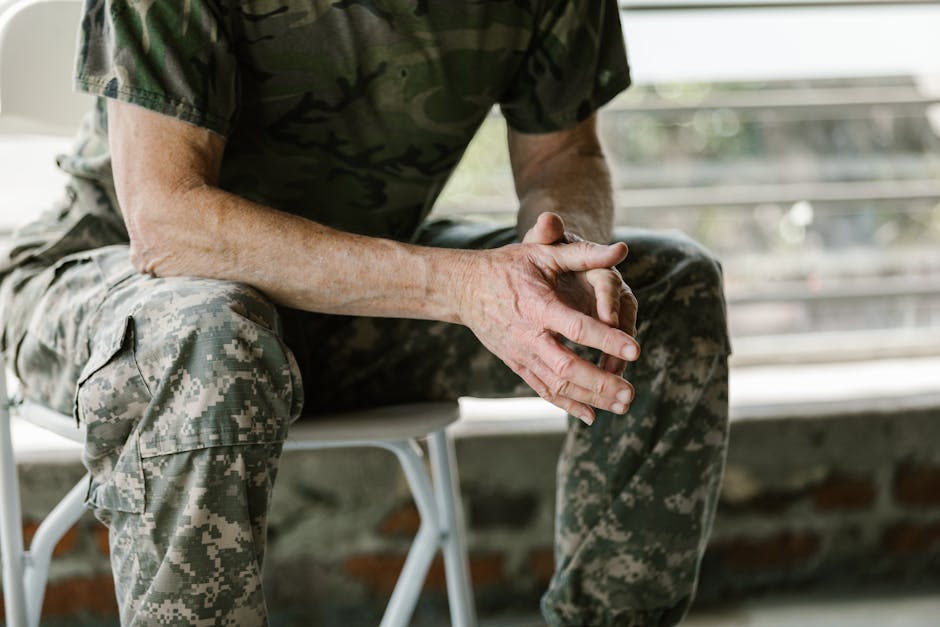
Veteran wellness programs have moved beyond clinical treatments. They now focus on whole-person care, addressing physical, mental, emotional, and social well-being. These new approaches include everything from acupuncture and massage to peer support and business training. They recognize that true wellness means having purpose, community, and financial stability, not just physical health.
This shift to holistic care reflects what many veterans face when they leave the service. Their challenges run deeper than medical symptoms. Losing identity, feeling isolated from the military community, and being unsure about civilian life create needs that standard healthcare often misses.
What Is Whole Health for Veterans?
The Department of Veterans Affairs changed its approach to veteran care with its Whole Health program. Instead of just focusing on diagnoses and symptoms, this model asks veterans what they want from life and builds care plans around those goals.
Whole Health uses Complementary and Integrative Health methods. Many veterans find these more effective than traditional treatments alone. These include yoga, tai chi, meditation, guided imagery, clinical hypnosis, acupuncture, biofeedback, and medical massage. Veterans work with Whole Health Coaches. These coaches partner with them, individually or in groups, to create personalized health plans focused on self-care and skill-building.
The program understands that wellness is tied to purpose and community. Many veterans struggle with the change from military structure to civilian uncertainty. Addressing physical symptoms without also tackling isolation and identity issues often falls short.
VA Whole Health Program Parts
The VA's approach offers many ways for veterans to get non-traditional wellness support. The program provides evidence-based information and resources through research from groups like the Mental Illness Research, Education and Clinical Centers.
Veterans can find services at VA Whole Health Locations nationwide. Programs are designed to be accessible for all, regardless of physical limitations. Coaching usually starts with goal-setting. Veterans identify what matters most to them, then build strategies for lasting wellness habits.
This differs from standard healthcare because it focuses on the veteran as a whole person, not just a list of symptoms. It acknowledges that healing often means addressing social connections, purpose, and life direction along with physical and mental health.
Non-Profit Alternative Therapy Options
Other organizations also offer unique stress reduction and healing services outside the VA system. Veterans Inc. provides Reiki, acupuncture, massage, and yoga. They also support emotional well-being through social activities like fishing, creative writing, and music groups.
The Wounded Warrior Project has a Physical Health & Wellness Coaching Program. It covers basic lifestyle habits like sleep, mobility, and nutrition. Their program starts with a multi-day expo and connects veterans with coaches for long-term habit development. A disability rating is not required to join, and family members are welcome.
These programs recognize that community often helps veterans adjust to civilian life. The isolation many feel after leaving the military can hurt other wellness efforts. Peer connections and group activities are key parts of effective programs.
Veterans interested in these options should know that most programs can handle different physical abilities. Many are also available virtually or through local partnerships.
Community and Peer-Based Healing
The idea that "community is the medicine" has led to new peer support models for veteran reintegration. Organizations like the Veterans Health and Wellness Foundation created platforms like VetConnect360. It offers trauma-informed mental health support, peer mentorship, support circles, and community resources.
These community-based approaches address what many veterans say is their main challenge: rebuilding social connections and finding purpose after military service. Veteran Business Networking Organizations have proven effective. They combine peer support with practical skill development.
The peer model works because veterans understand each other's experiences in ways civilian providers often cannot. Shared military culture, understanding of deployment stress, and familiarity with military-to-civilian transition challenges build trust, which speeds up healing.
Women veterans are the fastest-growing and most underserved veteran group. They have access to specialized programs like "Healing Her Journey." These programs build community specifically for women veterans' whole-person healing.
Career and Purpose as Wellness
Wellness is directly linked to purpose and financial stability. Many effective programs combine career and business support with wellness services. The VA's Personalized Career Planning and Guidance offers free career counseling and resume help. It recognizes that meaningful work greatly improves overall well-being.
For veterans interested in owning a business, the Small Business Administration's "Boots to Business" training program is part of the Department of Defense's Transition Assistance Program worldwide. This approach acknowledges that financial independence and purposeful work often form the base for other wellness efforts.
SBA Programs For Veterans offer many paths for veterans to build businesses that match their values and provide the independence many miss after military service. The link between business ownership and wellness is especially important for veterans who struggle in corporate settings after military leadership roles.
Many veterans find that Veteran Franchise Guide opportunities offer a structured path to business ownership. This provides both financial potential and the systematic approach familiar from military experience. The franchise model can bridge military structure and civilian business.
Programs for Women Veterans
Women veterans face unique challenges that need specific wellness approaches. As the fastest-growing group of veterans, women often deal with different transition obstacles. These include military sexual trauma, childcare needs during treatment, and isolation from mostly male veteran communities.
The Small Business Administration offers Women Veteran Entrepreneurship Training Programs. These are designed to help women start businesses. They recognize that economic empowerment is often key to overall wellness for women veterans.
Specialized programs address the fact that women veterans may feel disconnected from traditional veteran services, which are often designed for men. Creating women-specific spaces and programs allows for discussions of experiences that might not come up in mixed-gender settings.
Finding and Evaluating Program Options
Veterans looking into non-traditional wellness programs should first identify their main goals and challenges. Some need immediate crisis support. Others seek long-term lifestyle changes or community connections. Knowing your needs helps narrow down the many options.
Most programs offer initial assessments or consultations to help veterans decide if it's a good fit. The Wounded Warrior Project, for example, starts with goal-setting before connecting veterans with coaches. This assessment prevents veterans from joining programs that don't match their current situation or readiness.
Veterans should also consider practical things like location, time commitment, and family involvement. Many programs are now virtual, but some benefit greatly from in-person participation. Portable Franchise Businesses For Military Families show how veterans can build wellness and purpose while staying flexible for moves.
When evaluating programs, look for evidence-based methods, qualified staff, and clear ways to measure results. Programs that can't explain their methods or track participant progress may not offer the structured support many veterans need.
Integrating with Traditional Healthcare
Non-traditional wellness programs work best when they support, rather than replace, traditional medical care. Many veterans benefit from combining VA healthcare services with complementary approaches from non-profits or private providers.
The key is communication between providers. Veterans should tell all their healthcare providers about their wellness program participation. This ensures treatments work together, not against each other. Some approaches, like meditation or yoga, improve traditional treatments. Others may need coordination with existing medications or therapies.
Veteran Franchise Success Stories often show how business ownership helped overall wellness. It provided purpose and financial stability that supported other health improvements. This mix of practical and wellness goals reflects the whole-person approach many veterans find most effective.
Veterans should also consider how wellness programs fit their long-term goals. Programs that build skills and community often provide lasting benefits beyond the program's end.
Take the free assessment to see how different wellness and career paths might help your transition.
Frequently Asked Questions
How are veteran wellness programs different from civilian programs?
Veteran wellness programs understand military culture, deployment experiences, and transition challenges that civilian providers often miss. They usually offer peer support and address the identity changes many veterans face after leaving military service. Programs also link purpose, financial stability, and overall wellness.
Do I need a disability rating for non-traditional wellness programs?
No, most programs don't require a disability rating. The Wounded Warrior Project specifically states that disability ratings are not needed for participation. Many programs serve all post-9/11 veterans, regardless of disability status. Some also extend services to family members.
How do I know if a wellness program is effective?
Look for programs that use evidence-based methods, have qualified staff, and can clearly explain their approach. Good programs usually offer initial assessments, track progress, and partner with established organizations. Be careful of programs that make big promises or demand large upfront payments.
Can family members join veteran wellness programs?
Many programs encourage family participation. They know that veteran wellness affects entire families. The Wounded Warrior Project allows family support members to join veterans, though some activities might be for veterans only. Check individual program rules for family inclusion.
How do I balance multiple wellness approaches without getting overwhelmed?
Start with one or two programs that address your most urgent needs. Then, add others as you feel ready. Talk to all your providers about your participation in multiple programs. This ensures approaches work together. Focus on programs that build lasting skills, rather than those needing constant, intense involvement.
Ready to Start the Conversation?
Take the free franchise assessment. No pressure, no pitch — just an honest look at whether franchise ownership fits your goals, timeline, and budget.
Take the Assessment— Luncy
Related Articles
Veteran Business Networking Organizations
Discover powerful veteran business networking organizations that connect military entrepreneurs with franchise mentorship, strategic partnerships, and growth op
Weekly Small Business Reality Check: Common Operational Mistakes
Working capital shortfalls and poor planning derail most small businesses, but veterans can avoid these pitfalls through franchise ownership.
Top 10 Companies That Actively Hire Veterans for Remote Roles
Top remote employers actively hiring veterans in 2026, from USAA to Microsoft. Compare programs and start your transition with a free veteran consultation.
Small Business Health Insurance Reality Check: Why Going Solo Costs More Than You Think
Small business health insurance costs exceed large company rates due to lost group buying power, hitting veteran franchise owners hardest.
Weekly Motivational Quotes for Veteran Franchise Owners
Transform military discipline into business success. Weekly motivational quotes for veterans launching franchises. Fuel your entrepreneurial mission today.
Veteran Small Business Funding Sources Nobody Talks About
Veteran small business grants are available through private foundations and state programs. These options often have flexible eligibility and less competition.