Exploring Senior Care Franchise Opportunities for Veterans
Senior care franchise opportunities offer veterans a viable business path. The growing demand for in-home care services aligns with their leadership skills.
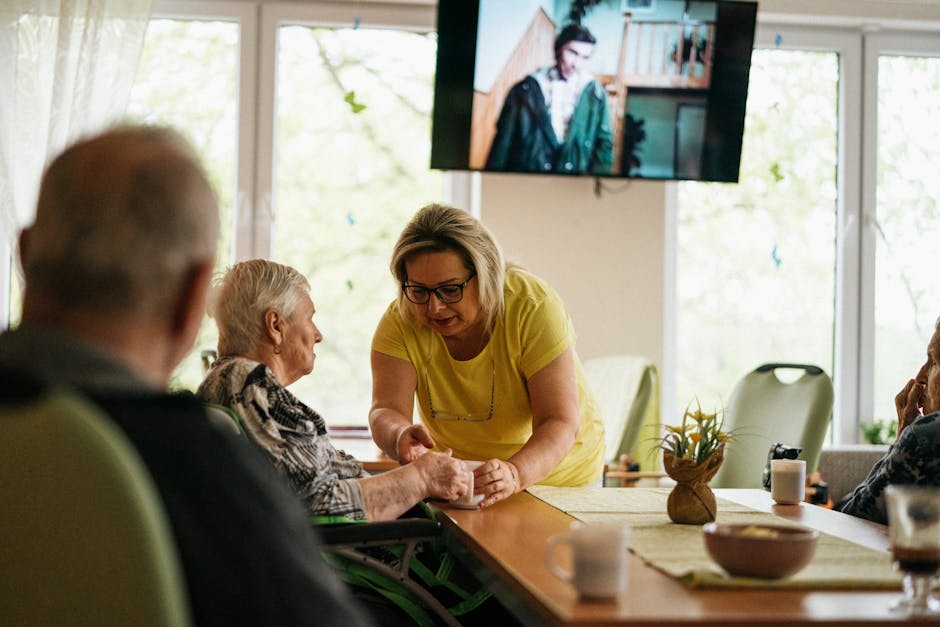
Senior care franchise opportunities represent a strategic business path for veterans transitioning from military service, combining proven business systems with the growing demand for in-home care services. The senior care industry offers multiple franchise models, from non-medical companion care to skilled nursing services, with investment levels ranging from $50,000 to $500,000. Veterans find particular success in this sector due to their service-oriented background and leadership experience managing complex operations under pressure.
The demographics driving this opportunity are undeniable. By 2030, over 73 million Americans will be 65 or older, creating sustained demand for care services. For veterans facing the transition from military structure to civilian employment, senior care franchises offer a middle path: the autonomy of business ownership backed by corporate support systems.

Understanding the Senior Care Franchise Landscape
The senior care industry breaks into distinct service categories, each with different operational requirements and investment levels. Non-medical home care focuses on companionship, meal preparation, and daily living assistance. Medical home care includes skilled nursing, physical therapy, and medication management. Adult day care centers provide structured programs for seniors who need supervision during work hours.
Each model serves different market segments. Non-medical care typically requires lower startup investment and less regulatory oversight, making it accessible to first-time franchise owners. Medical care franchises demand higher investment but often generate stronger per-location economics due to insurance reimbursement rates.
The franchise structure provides operational systems that independent startups lack: staff training protocols, client assessment tools, scheduling software, and regulatory compliance frameworks. These systems become particularly valuable in senior care, where operational mistakes can have serious consequences.
Why Veterans Excel in Senior Care Franchise Operations
Military experience translates directly to senior care operations in ways that civilian backgrounds often cannot match. Managing personnel under stress, coordinating complex logistics, and maintaining accountability standards are daily requirements in both environments.
Consider how a former logistics NCO approaches care coordination. In the military, you tracked equipment, personnel, and mission timelines simultaneously. In senior care, you coordinate caregiver schedules, client needs, and family communications using the same systematic approach. The stakes are different, but the operational discipline remains constant.
Veterans who managed medical operations, whether as corpsmen, medics, or healthcare administrators, bring additional advantages. You understand the importance of documentation, the reality of emergency response, and the weight of decisions that affect human welfare. These experiences prepare you for the regulatory environment and client advocacy that define successful senior care operations.
Veteran Franchise Success Stories demonstrate how military leadership skills translate to managing care teams during challenging situations, from last-minute schedule changes to family crisis management.
Investment Requirements and Financing Pathways
Senior care franchise investment ranges vary significantly based on the service model and territory size. Non-medical companion care franchises typically require $75,000 to $150,000 in total investment, while medical home care can reach $300,000 to $500,000 when including working capital and equipment.
The franchise fee represents only one component of the total investment. Most senior care franchises charge between $35,000 and $65,000 for the initial franchise rights. Additional costs include insurance, bonding, initial marketing, office setup, and working capital to cover payroll during the startup phase.
Veterans access several financing advantages that civilian franchise buyers do not. The SBA Veterans Advantage program reduces fees on qualifying loans, while the VetFran program offers franchise fee discounts from participating brands. SBA Loan For Franchise explains how these programs work together to reduce the cash requirement for qualified veterans.
Some senior care franchises offer internal financing for the franchise fee, allowing qualified candidates to begin operations with lower upfront cash. However, you still need working capital to cover operational expenses during the revenue ramp period.

Regulatory Environment and Compliance Requirements
Senior care operates under state and federal regulations that vary by service type and location. Non-medical care typically requires basic business licensing and caregiver background checks. Medical care involves additional layers: nursing license requirements, Medicare certification, and ongoing compliance audits.
The regulatory complexity creates barriers for independent operators but advantages for franchisees. Established franchises maintain compliance departments that track regulatory changes and update operational procedures accordingly. This support becomes invaluable when dealing with state health department inspections or insurance audits.
Veterans often adapt well to regulatory environments due to military experience with inspection protocols and documentation requirements. The attention to detail that military service develops translates directly to maintaining the records and procedures that regulators expect.
Franchise Disclosure Documents contain specific information about each franchisor's compliance support and regulatory track record, which becomes particularly important in heavily regulated industries like senior care.
Market Dynamics and Competition Analysis
The senior care market operates differently than most franchise sectors. Demand is largely inelastic: families need care services regardless of economic conditions. However, the market is highly fragmented, with thousands of small operators competing alongside national chains.
Insurance reimbursement creates unique dynamics. Medicare and Medicaid cover certain services but not others, affecting which client segments each franchise model can serve profitably. Private pay clients offer higher margins but represent a smaller market segment in most areas.
Competition comes from multiple sources: other franchises, independent agencies, hospital systems expanding into home care, and technology platforms attempting to disrupt traditional service delivery. The competitive advantage lies in operational excellence and relationship building rather than price competition.
Local market conditions matter significantly. Urban markets offer larger client pools but higher operational costs and more competition. Rural markets may have less competition but require different service delivery models to cover larger geographic areas.

Building Your Senior Care Operation: From Launch to Scale
The path from franchise agreement to profitable operation follows predictable stages, but the timeline varies based on market conditions and execution quality. Most senior care franchises require 6 to 18 months to reach positive cash flow, depending on the service model and local market penetration strategy.
Initial operations focus on building referral relationships with hospitals, physicians, and discharge planners. These relationships drive consistent client flow, but they require time and persistence to develop. Veterans often excel at this relationship building due to their understanding of institutional hierarchies and systematic approach to stakeholder management.
Staffing represents the ongoing operational challenge. Senior care requires reliable, compassionate caregivers who can handle both routine tasks and emergency situations. The labor shortage in healthcare affects all senior care operators, making employee retention a competitive advantage.
Successful operators develop systematic approaches to caregiver recruitment, training, and retention. This includes competitive compensation packages, flexible scheduling options, and career development pathways that keep quality staff engaged long-term.
Technology Integration and Operational Efficiency
Modern senior care franchises integrate technology platforms that handle scheduling, billing, client communication, and regulatory compliance. These systems reduce administrative overhead while improving service quality and family communication.
Mobile applications allow caregivers to document services in real time, while family portals provide updates on their loved one's care. Electronic health records integration streamlines communication with healthcare providers and simplifies insurance billing processes.
Veterans often adapt quickly to these technology platforms due to their experience with military information systems. The systematic approach to data management and process improvement that military service develops translates well to optimizing franchise operations.
However, technology cannot replace the human element that defines quality senior care. The most successful operators use technology to enhance personal relationships rather than substitute for them.
Senior Care Franchises For Veterans provides detailed comparisons of how different franchise systems approach technology integration and operational support.
business outlook and Growth Potential
The senior care industry offers multiple revenue streams that can create stable, growing businesses for dedicated operators. Service rates vary by location and service type, but most markets support sustainable per-location economics for well-operated franchises.
Growth typically comes through geographic expansion, service line additions, or acquisition of competing operations. Some franchise systems support multi-unit development, allowing successful operators to build regional operations over time.
The recurring revenue nature of senior care creates predictable cash flow once operations reach maturity. Unlike transaction-based businesses, senior care clients typically require ongoing services for months or years, creating stable revenue foundations.
Take the free SyncFran assessment to explore which senior care franchise models align with your investment capacity and operational preferences.

Due Diligence Process for Senior Care Franchises
Evaluating senior care franchise opportunities requires examining factors beyond standard franchise metrics. The franchisor's compliance track record, insurance relationships, and regulatory support capabilities matter as much as business outlook data.
Validation calls with existing franchisees should focus on operational challenges specific to senior care: staff retention rates, regulatory compliance support, insurance reimbursement assistance, and franchisor responsiveness during crisis situations.
Review the franchisor's training program carefully. Senior care requires both business management skills and understanding of care delivery standards. The best franchise systems provide ongoing education that keeps operators current with industry changes and regulatory updates.
Territory analysis becomes particularly important in senior care due to demographic variations and competition density. Franchise Disclosure Documents contain territory definitions and population data that inform market potential assessments.
Frequently Asked Questions
What is the best senior care franchise?
The best senior care franchise depends on your investment capacity, operational preferences, and local market conditions. Non-medical companion care franchises like Visiting Angels or Home Instead offer lower investment requirements and simpler operations. Medical home care franchises provide higher revenue potential but require more complex regulatory compliance. Evaluate each system's training quality, ongoing support, and franchisee satisfaction ratings to determine the best fit for your situation.
Are senior care franchises profitable?
Senior care franchises can generate strong returns when operated effectively, but profitability depends on factors including local market conditions, operational efficiency, and service mix. The recurring revenue nature of senior care creates predictable cash flow once operations mature. However, startup costs, staff retention challenges, and insurance reimbursement complexities affect profitability timelines. Schedule a consultation to review specific financial projections for franchises in your target market.
What franchise can I open with $10,000?
Most senior care franchises require significantly more than $10,000 in total investment due to insurance, bonding, and working capital requirements. However, some franchises offer financing programs that reduce the initial cash requirement. Veterans may qualify for reduced franchise fees through VetFran programs and favorable SBA loan terms that lower the upfront investment. Affordable Franchises For Veterans explores lower-investment franchise options across multiple industries.
What is the most profitable franchise to own?
Profitability varies significantly based on execution quality, market conditions, and operational efficiency rather than franchise category alone. Senior care franchises offer strong profit potential due to recurring revenue and growing market demand, but success requires effective staff management and relationship building. The most profitable franchise for you depends on your skills, investment capacity, and market opportunity. Take the SyncFran assessment to identify franchise opportunities that match your specific situation and goals.
Ready to Start the Conversation?
Take the free franchise assessment. No pressure, no pitch — just an honest look at whether franchise ownership fits your goals, timeline, and budget.
Take the Assessment— Luncy
Related Articles
Small Investment, Big Impact
Low cost franchise opportunities for veterans start with understanding true investment levels and which brands offer real value at accessible entry points.
Home Services vs Food vs B2B Franchises: Which One Fits Your Life?
The best franchise for veterans varies by investment and lifestyle. This article outlines key differences between home services, food, and B2B franchises.
The LinkedIn Burnout Cure: How Franchise Marketing Systems Work While You Sleep
Franchise marketing systems streamline lead generation and customer acquisition. These frameworks provide veterans with operational structure and strategic
Veteran Franchise Ownership Guide
Military veterans discover proven franchise ownership strategies. Our comprehensive guide covers financing, brand selection, and leveraging military skills for
Why Successful Business Owners Choose Franchises: The Integration Advantage
Franchise ownership provides veterans established systems, brand recognition, and ongoing support that independent startups lack.
The Insurance Maze: How Franchises Simplify Business Protection
Franchise business insurance offers essential protection and simplifies coverage for owners. Benefit from established relationships and reduced risk.